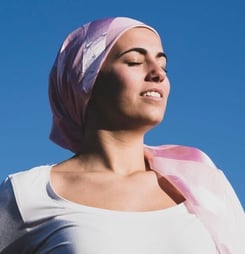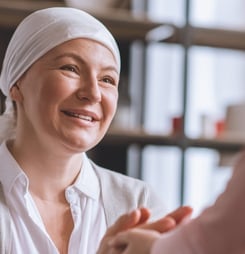
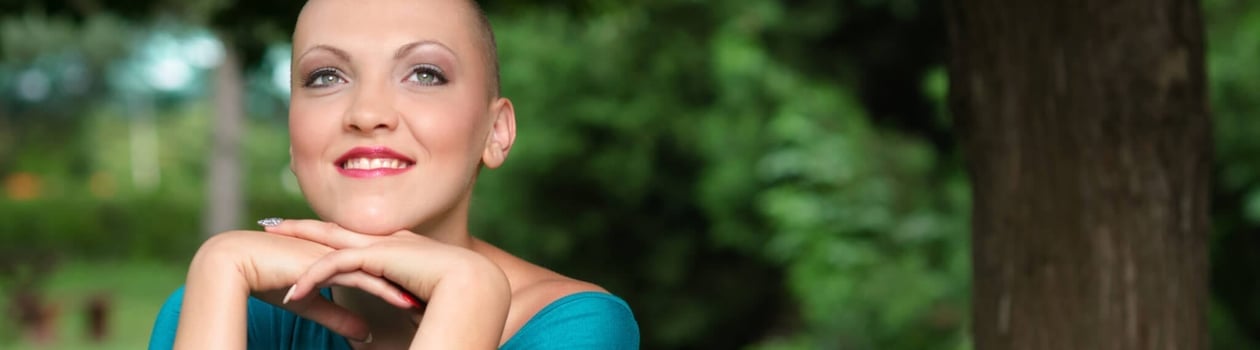
There’s an epidemic in the world today, one that seeps into every level of the social strata. Education is no protection and nor is wealth.
While there are ways to reduce the possibility that a person will be one of the almost 2 million people per year that are affected by it, the causes of cancer are not always well understood.
National Cancer Survivors Day is here to celebrate those who have overcome this illness!
How to Celebrate Cancer Survivors Day
Beating cancer is certainly a milestone to celebrate and a reason to bring loved ones together. There are many ways to draw attention to cancer and those fighting through it and who are now living rewarding and inspiring lives.
Connect with Other Survivors
It’s an opportunity to connect with others over a common enemy and bring attention to the ongoing challenges of cancer survivorship and also highlight the reasons to be happy and joyful.
There may be both tears of sadness and delight when interacting and celebrating with a survivor.
Volunteer to Help
A good way to celebrate Cancer Survivors Day is to get out and help with the organization’s activities to raise funds and help awareness.
One can do this by attending events all over the country and the world. In the local area, a person may find a gathering in a local part where food and entertainment are provided, and a special ceremony honoring cancer survivors is held.
Celebrate a Friend
As someone who may know a cancer survivor, take some time today to bring them to an event and congratulate them on surviving, and bringing hope to other people living with cancer everywhere.
There are additional ways to honor a cancer survivor on National Cancer Survivors Day. For example, one can mail a greeting card with words of encouragement and appreciation.
Imagine being a survivor and opening the mail to a special message from a loved one! Besides sending a card, a person may want to pick up the phone and wish someone well and acknowledge all they’ve been through.
Spend Time with a Survivor
Also, one can celebrate a survivor by asking him or her to lunch or coffee, giving a small gift of appreciation, or throwing an impromptu party with other survivors or close friends and family members.
If you happen to be a cancer survivor yourself, then you may want to gather other survivors from a support group or that you know and congratulate one another.
Let this be a time to rejoice in the shared experience and to support each person in this next stage of life.
Get More Informed
Education is another way to celebrate and enlighten oneself in the journey to learning more about cancer. There are resources available, people to talk to, and research to review that will help a person to understand better the complexity of cancer and what it’s like to survive it.
The goal is to come together to recognize that while it wasn’t an easy road, the survivor is now living his or her life to the fullest.
They have overcome the illness or disease and can now truly celebrate the freedom that being cancer free brings.
National Cancer Survivors Day Timeline
Post‑Treatment Cancer Clinic at Memorial Hospital
Memorial Hospital in New York (now part of Memorial Sloan Kettering Cancer Center) opens one of the first dedicated follow‑up clinics for patients cured of cancer, marking an early institutional focus on long‑term survivorship and late effects of treatment.
Launch of the SEER Cancer Survival Program
The U.S. National Cancer Institute’s Surveillance, Epidemiology, and End Results (SEER) Program begins systematically collecting population-based cancer incidence and survival data, documenting patterns of long-term survival after a cancer diagnosis.
“Seasons of Survival” Reframes Survivorship
Oncologist Fitzhugh Mullan publishes his essay “Seasons of Survival: Reflections of a Physician With Cancer” in The New England Journal of Medicine, proposing stages of survivorship and emphasizing that people live for years after diagnosis with distinct ongoing needs.
Creation of the Office of Cancer Survivorship
The U.S. National Cancer Institute establishes the Office of Cancer Survivorship to support and coordinate research on the growing number of people living with and beyond cancer, formally recognizing survivorship as a major focus in cancer control.
Influential Report on Life After Cancer
The Institute of Medicine publishes “From Cancer Patient to Cancer Survivor: Lost in Transition,” which defines essential components of survivorship care, underscores late and long-term effects of treatment, and calls for personalized survivorship care plans.
History of National Cancer Survivors Day
Cancer Survivor’s Day was established to recognize and celebrate those who have battled cancer and won, and to help bring hope to those still battling this terrible disease.
So who is considered a cancer survivor? The National Cancer Survivors Day Foundation defines a survivor as anyone living with a history of cancer – from the moment of diagnosis through the remainder of life.
While the numbers above sound terrible, there is more hope than they imply, in the US alone, there are 14.5 million people who have beat or are living with cancer and 32 million around the world. The numbers reflect great success, and the survival rate gets higher with every passing year.
But both those who have cancer and their families need to know that it is far from helpless. Treatment is getting more effective, and there are groups around the world that get together to help the cancer patient and their families make it through the very long and hard road that is treatment and recovery.
Natinoal Cancer Survivors Day is also dedicated to helping to raise funds and awareness for cancer research and treatment. The fight isn’t over and, in fact, it’s just heating up, and cancer is in the cross-hairs.
With the efforts of organizations like National Cancer Survivor’s Day Foundation and the American Cancer Association, a cure for cancer is just around the corner. Not only is it a day for thousands to gather to celebrate those who have survived, but it’s a chance to inspire those with a recent diagnosis that it is possible to overcome and beat cancer.
Consider it a way to offer support for survivors and family and people everywhere who have been or continue to be impacted by this life-altering disease!
Facts About National Cancer Survivors Day
Shifting From “Cancer Patient” to “Cancer Survivor”
The modern use of the word “survivor” in oncology only became widespread in the late 20th century, driven by advocacy groups that argued people should be considered survivors from the moment of diagnosis rather than only after being “cured.”
This reframing helped move care beyond simply treating tumors to addressing long-term physical, psychological, and social issues, and it influenced how research, policy, and clinical guidelines are developed for the growing population living with and beyond cancer.
Cancer Survivors Now Number in the Tens of Millions
As treatments have improved and populations have aged, the number of cancer survivors worldwide has soared.
In the United States alone, the National Cancer Institute estimates there were about 18.1 million cancer survivors in 2022 and projects that this number will reach roughly 22.5 million by 2032, a trend that reflects both rising incidence and significantly better survival for many common cancers.
Most Cancer Survivors Are Older Adults
Cancer survivorship is increasingly an issue of aging populations. According to U.S. data, nearly two‑thirds of cancer survivors are aged 65 or older, which means many people are managing both the late effects of cancer treatment and other age‑related chronic conditions at the same time.
This overlap complicates follow‑up care and has pushed oncologists and geriatricians to collaborate more closely on survivorship guidelines.
Late Effects of Treatment Can Appear Years After Cancer
Many survivors experience “late effects,” which are health problems that may not surface until years after treatment ends.
Chemotherapy and radiation can increase the risk of heart disease, secondary cancers, infertility, and cognitive changes, while some targeted therapies and immunotherapies carry their own long‑term risks, making structured follow‑up critical long after the last treatment session.
Survivorship Care Plans Began as a Research Recommendation
The idea of a written survivorship care plan was popularized in 2005, when the U.S. Institute of Medicine recommended that every person completing active cancer treatment receive a summary of their care and a roadmap for follow‑up.
This concept has since been adopted and adapted by cancer centers around the world to help survivors and primary care clinicians coordinate surveillance, manage late effects, and support healthy lifestyle changes.
Return to Work Is a Major Milestone and Challenge
For many adults, returning to work is a key marker of life after cancer, but it is not always straightforward.
Studies in high‑income countries suggest that while most survivors eventually go back to work, they may do so with reduced hours, job changes, or accommodations due to fatigue, cognitive difficulties, or physical limitations, prompting employers and policymakers to look more closely at workplace rights and flexible arrangements for survivors.
Peer Support Groups Improve Quality of Life
Peer support has become a core feature of modern survivorship care.
Research shows that survivors who take part in support groups or peer‑to‑peer programs often report less anxiety and depression, better coping skills, and a stronger sense of control over their health, which has led many cancer centers and nonprofits to integrate structured survivorship support programs alongside medical follow‑up.